More fuel at depots and more vessels
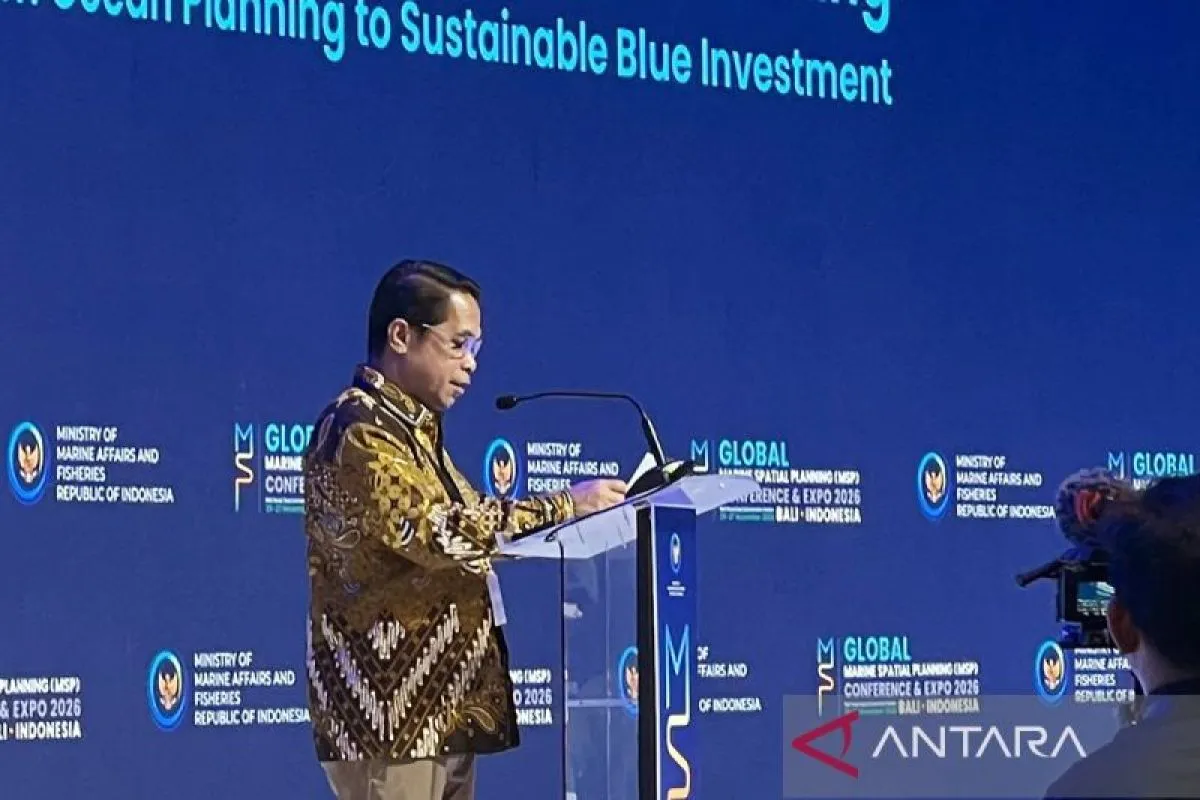
The preparations cover widely used fuels, including Pertalite and diesel, according to Laode Sulaeman, director general of oil and gas at the Ministry of Energy and Mineral Resources. He outlined the measures on November 26 at the 2026 Global Marine Spatial Planning (MSP) Conference & Expo in Nusa Dua, Badung, Bali.
"To anticipate extreme weather, we are increasing the capacity in storage at depots," Laode said. He added that destinations previously supplied by one vessel were receiving service from two or three ships as the government increased delivery capacity.
Laode said the extra fuel held at depots would provide reserves between shipments, helping prevent shortages while the next delivery was in transit.
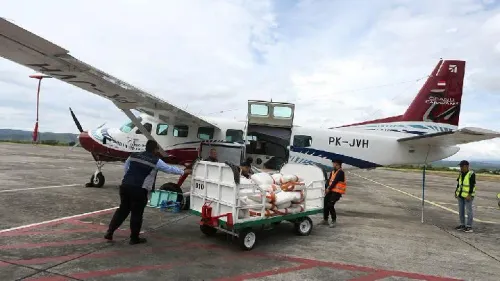
State-owned PT Pertamina is accumulating energy commodity stocks in areas vulnerable to disasters. Muhammad Baron, the company's vice president for corporate communication, said Pertamina was working with the Meteorology, Climatology, and Geophysics Agency (BMKG) and regional governments to schedule deliveries and prepare alternative routes by land, sea, and air.
Earlier shortages and higher fuel demand
The stock build-up follows regional fuel shortages and long lines in late 2026. On October 19, Coordinating Minister for Downstreaming and Energy Transition Bahlil Lahadalia said delayed shipments from Java had left Bali with critically low reserves covering just three to four days. Additional tankers subsequently brought that buffer back to 11–12 days.
Pertamina President Director Simon Aloysius Mantiri also reported supply constraints in parts of Kalimantan, Sulawesi, and Sumatra. Sediment buildup and falling river levels prevented large barges from passing, requiring deliveries to be rerouted over land.
Fuel demand had also risen after prices for non-subsidized products increased on June 10. At an August 26 hearing before parliament's Commission XII, BPH Migas head Wahyudi Anas said average daily Pertalite distribution reached 82,760 kiloliters in June, an increase of 9.19%. July's peak of 85,589 kiloliters was 12.92% above the pre-increase daily norm of 75,795 kiloliters.
By August, daily diesel consumption had increased 15.1%, from 50,624 to 58,271 kiloliters.
Rainfall outlook and disaster preparations
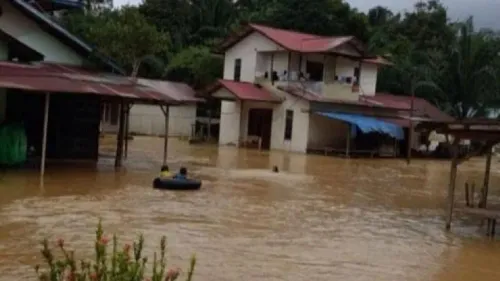
BMKG expects the rainy-season peak to span December 2026 through February 2027. Agency head Teuku Faisal Fathani said most of Indonesia would enter the season in November and December. BMKG is working with the National Disaster Mitigation Agency (BNPB) to locate areas exposed to floods and landslides and take measures against extreme-rainfall risks.
The agency's 2026/2027 seasonal outlook, published October 2, projected a late start to the rains in 529 seasonal zones covering 61.08% of Indonesia's land area. It forecast the peak in December for 155 zones, January for 162, and February for 190. The season was expected to be shorter than normal across 51.90% of the area.
That outlook described ENSO as being in a "very strong El Niño" phase, with an index of +2.20 for June–August 2026, and forecast that the phase would continue into early 2027.