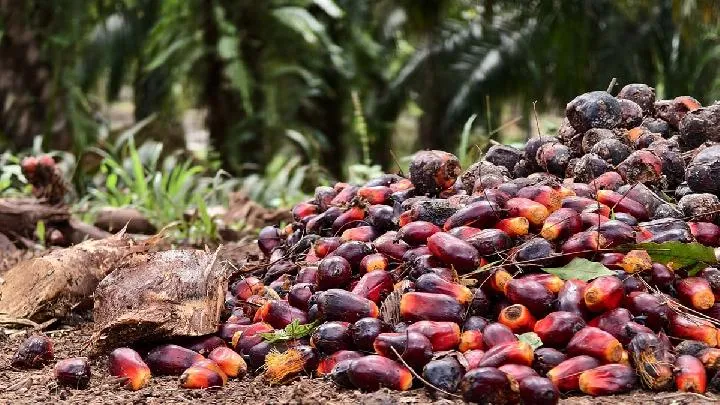
Monitoring covers 300-plus exporters
DSI analyzed about 16,000 export declarations during the five-month period, Pahala Nugraha Mansury, BPI Danantara's managing director of global relations and communications, said at a November 25, 2026, press conference at Wisma Danantara in Jakarta. More than 300 exporters reported shipments totaling 215 million tons through 55 ports across 25 provinces.
The latest figures follow a late-August tally of more than 6,500 declarations and roughly $14 billion in shipments. According to DSI data reported by The Business Times, that earlier total represented about one-fifth of the combined export value of the three commodities. The outlet reported that coal, palm oil and ferro-alloys together account for more than $70 billion in Indonesia's annual exports.
From invoice checks to direct purchases
DSI was established to oversee exports of the three natural resource commodities, with the aims of maximizing export foreign exchange earnings and curbing under-invoicing. Its legal mandate comes from Government Regulation (PP) No. 24/2026 on the Governance of Strategic Natural Resource Commodity Exports, according to Shanghai Metals Market (SMM) Analysis.
President Prabowo Subianto signed the regulation on May 20, 2026, and it became effective June 1. It names DSI as the mandatory sole export intermediary for all shipments of coal, palm oil and ferro-alloys, subject to specified exemptions.
The operational transition follows a two-phase plan that Danantara CEO Rosan Roeslani announced in May, IDNFinancials reported. From June 1 through December 31, 2026, DSI's role would be to check sales invoices and mediate between Indonesian sellers and overseas buyers. The second phase, planned for January 2027, would have DSI buy commodities itself for resale on the global market.
"We are confident that by January 1, 2027, we will be able to operate functionally as the sole intermediary," Pahala said.
SMM Analysis reported that Article 4(2) permits exemptions for businesses with government contracts or agreements containing provisions on at least investment, divestment, and domestic processing and/or refining. A coordination meeting chaired by the Coordinating Minister for Economic Affairs decides those exemptions.
Exporters must keep filing through customs
For now, exporters must still submit declarations through CEISA 4.0, the portal run by the Finance Ministry's Directorate General of Customs and Excise. That requirement remains in place until shipments must go directly through DSI. Companies must also integrate their reporting data with other designated platforms as required by existing regulations.
"Our focus is to ensure that the data we collect gives us far stronger visibility," Pahala said.
DSI CEO Luke Mahony has described the monitoring platform as a way for the government to see commodity export activity more clearly and detect possible irregularities, The Business Times reported. Those include under-invoicing and transfer pricing.
The agency can also charge for its work. Chief financial officer Sinthya Roesly told The Business Times that DSI, as a corporation, would be able to levy reasonable fees to cover costs and earn margins while fulfilling its mandate. SMM Analysis noted that Article 3(4) of the regulation permits a reasonable margin.
Possible expansion beyond the three commodities
Sinthya said DSI could eventually take on other commodities, but any expansion would proceed gradually. That approach would allow the agency to evaluate whether its systems are ready and its operations are efficient before extending its remit.
Separately, Prabowo said on August 14, 2026, that the government would establish an Indonesian mineral and commodity exchange. The Business Times reported that the proposal raised the possibility of DSI's monitoring infrastructure eventually linking to a broader effort to increase Indonesia's influence over commodity prices.