Washington and Tehran Resume Hostilities After Weeks of Relative Calm
The United States and Iran ended a prolonged pause in hostilities on Wednesday with coordinated military strikes that left at least five civilians dead and prompted threats of further retaliation from both sides.
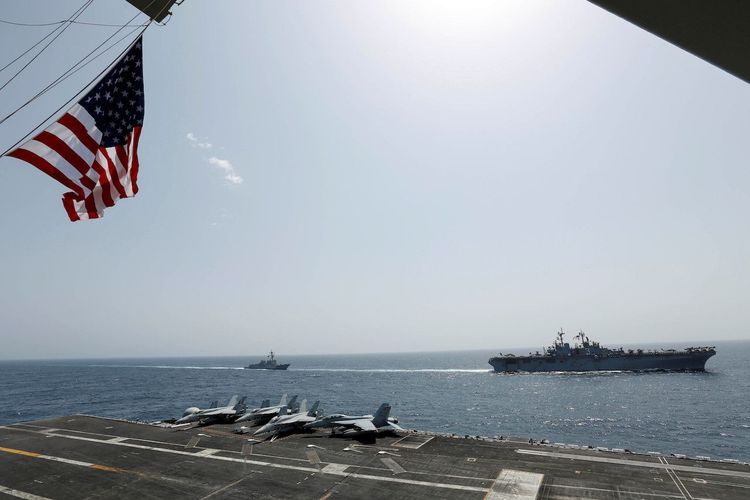
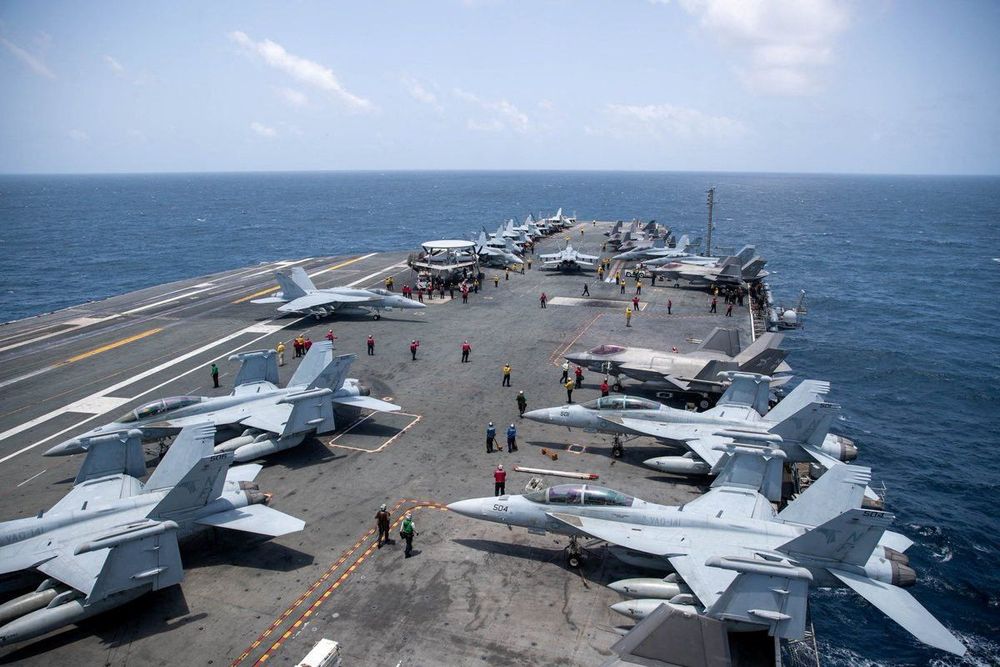
US Central Command announced completion of strikes against Islamic Revolutionary Guard Corps installations on Tuesday, targeting air defense systems, radar facilities, maritime infrastructure, mine-laying equipment and communication networks. Iranian media confirmed attacks on multiple locations throughout the country, particularly concentrated near the Strait of Hormuz, a critical waterway accounting for roughly one-fifth of global petroleum transit.
Iran responded with strikes on American positions in Jordan and Iraq, according to official statements, with Iranian media also reporting operations against Bahrain. While the IRGC claimed significant US casualties in Jordan, two American officials stated initial assessments indicated no personnel losses.
Jordan's military reported intercepting 10 of 13 ballistic missiles entering its airspace, with three landing in unpopulated regions. Bahraini defense forces destroyed Iranian drones before they reached their targets. The IRGC additionally claimed combined missile and drone attacks on US facilities in Erbil, northern Iraq, though neither Baghdad nor Washington confirmed these reports.
Civilian casualties reported
The Iranian Red Crescent reported five deaths and 50 injuries at a wedding celebration near Sirik, a coastal community on the Strait of Hormuz. The Mehr news agency identified a 4-year-old child among the fatalities, while IRNA cited provincial officials placing the wounded toll at 68. American authorities have not addressed the incident.
Iran's foreign ministry characterized the attack as part of a pattern of atrocities, referencing an earlier blast at a girls' school in Minab that killed 160 on the conflict's opening day. Pentagon officials have not released conclusive findings on that strike, though sources familiar with the investigation suggested it may have resulted from outdated targeting intelligence.
War resumes after summer lull
The renewed combat marks the first substantial fighting since July, terminating a period when both parties largely avoided direct engagement while showing minimal interest in diplomatic resolution. The pause appeared to reflect mounting costs on both sides. Iran's struggling economy has deteriorated further under wartime conditions while its conventional military capabilities have suffered degradation. The United States has depleted much of its global inventory of precision long-range munitions, according to reports last month, raising concerns about preparedness for potential future conflicts.
President Donald Trump faces domestic pressure from rising fuel costs ahead of November congressional elections. Speaking Wednesday, Trump expressed satisfaction with current strategic positioning.
I like our position now much better, with almost total control of the Hormuz Strait, and their economy totally collapsing. They are just playing out the inevitable. When are the Iranian people going to rise up and fight?
Iran's joint military command issued a warning to Washington and regional allies.
We warn that the continuation of American evil in the region will be met with heavier, more widespread, and devastating responses, and any country that cooperates with the aggressive American army must accept its dangerous consequences.
Iran's foreign ministry pledged firm retaliation for what it termed "savage crimes," adding that governments and international organizations maintaining silence or justifying such actions bear responsibility.
Those who remain silent today will not be immune to its consequences tomorrow.