FAA declares Boeing 737 MAX 10 software glitch poses no safety risk after investigation
A software glitch that has stalled certification of Boeing's 737 MAX 10 aircraft poses no safety threat, the Federal Aviation Administration concluded Friday following a comprehensive investigation into the issue.
The bug, discovered in a cockpit software update, can cause an automated navigation feature to fail when aircraft shift their approach during landing. However, an FAA panel of safety experts determined the malfunction does not compromise flight safety because pilots retain complete control of the aircraft and receive clear, unambiguous indications when the issue occurs.
"Following a thorough review, a panel of FAA safety experts on Friday determined a software issue in certain Boeing 737 MAX flight computers is not a safety concern," the regulatory agency stated.
The FAA added it would consider appropriate action if new information emerges about the problem.
Relief for Boeing amid certification pressure
The finding comes as a relief to Boeing, which has faced mounting pressure to complete certification of the MAX 10. The aircraft manufacturer had been on the verge of receiving approval when the software bug surfaced late last month. Boeing CEO Kelly Ortberg stated on September 16 that certification would happen "very soon," with only three deliverables remaining to complete. The delay announcement came just twelve days later on September 28, sending Boeing's stock down 6.9 percent.
Boeing informed all 737 operators Monday about the software issue, which affects pilot access to automated flight guidance during a specific landing scenario. The company is now working to formalize a procedure with airlines that would allow pilots to restore automated flight guidance if the glitch occurs during flight operations.
"We will continue to follow the lead of the FAA as our engineers work on the next software update," Boeing said in a statement.
The company will also send a bulletin to airlines detailing the issue and instructing flight crews how to recognize and respond should the situation arise.
Certification timeline remains uncertain
Despite the favorable safety determination, neither the FAA nor Boeing has indicated whether the certification process for the 737 MAX 10 will resume or when approval might be granted. FAA Administrator Bryan Bedford, who was sworn in as head of the agency in July 2025 after more than 35 years in aviation including 26 years as CEO of Republic Airways, said Monday the FAA would delay the MAX 10 certification until officials are satisfied no safety issue exists.
"The MAX planes certified by the FAA thus far are safe, but we will be delaying the 10 until we're satisfied we don't have an issue here," Bedford stated at a press conference.
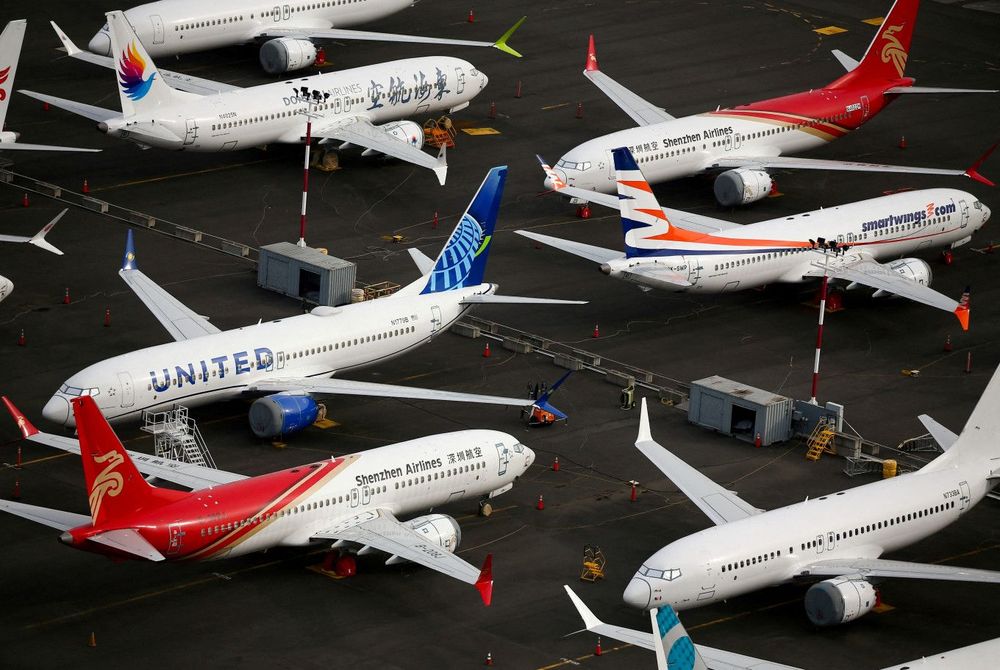
The 737 MAX 10, the largest variant of the MAX family, was originally expected to enter service in 2020, making it several years behind schedule. The aircraft entered Phase Two of FAA Type Inspection Authorization certification flight testing in January 2026, representing the most substantive regulatory progress in years. The MAX 7 variant received FAA certification in August 2026, leaving the MAX 10 as the last uncertified member of the MAX family. The MAX 8 and MAX 9 have been certified and in commercial service since 2017 and 2018, respectively.
Commercial implications and customer orders
The certification delay carries significant commercial implications for Boeing, which has secured more than 1,200 firm orders for the 737 MAX 10 from airlines worldwide. United Airlines has ordered 165 aircraft, Alaska Airlines 168, Ryanair 150, American Airlines 115, and Delta Air Lines 100.
The heightened scrutiny of MAX variants stems from the aircraft family's troubled history. The entire 737 MAX fleet was grounded worldwide from March 2019 to December 2020 following two fatal crashes—Lion Air Flight 610 in October 2018 and Ethiopian Airlines Flight 302 in March 2019—that killed 346 people combined. The groundings and subsequent investigations revealed serious flaws in the aircraft's automated flight control systems and Boeing's certification process.