Achievements and loyalty guide nominations
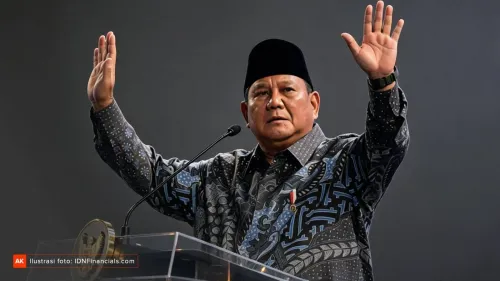
Speaking at the MPR Building on Monday, Nov. 23, after submitting the nominations, Prabowo said he had weighed the candidates' records of service and their ability to carry out the job.
"My considerations are based solely on their achievements, dedication, loyalty to the country, and my belief that they will perform to the best of their ability," he said.
Prabowo said other people were qualified, but the Constitution limited him to two nominees and required him to make the selection within a limited period. Before deciding, he consulted his parliamentary coalition and the Gerindra Party's Advisory Board, among others.
The coalition parties had already said they would not put forward candidates for his consideration, leaving the selection entirely to Prabowo.
The resignation behind the vacancy
Gibran formally submitted his resignation to the MPR on Nov. 12, 2026, amid an impeachment motion concerning allegations about his educational qualifications, according to The Straits Times.
In October, Indonesia's Supreme Court had ruled invalid the senior high school equivalency certificate Gibran used when registering as a vice-presidential candidate in 2023.
His departure marks only the second mid-term resignation by an Indonesian vice president. The first came in 1955, when founding father Mohammad Hatta stepped down over political differences with then-President Sukarno.
The candidates' backgrounds
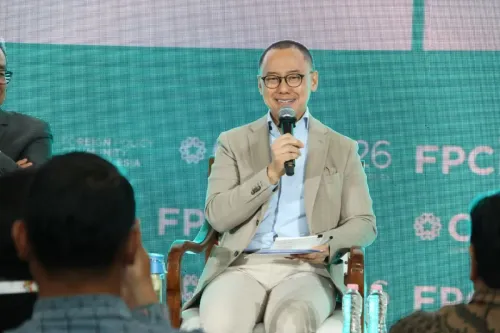
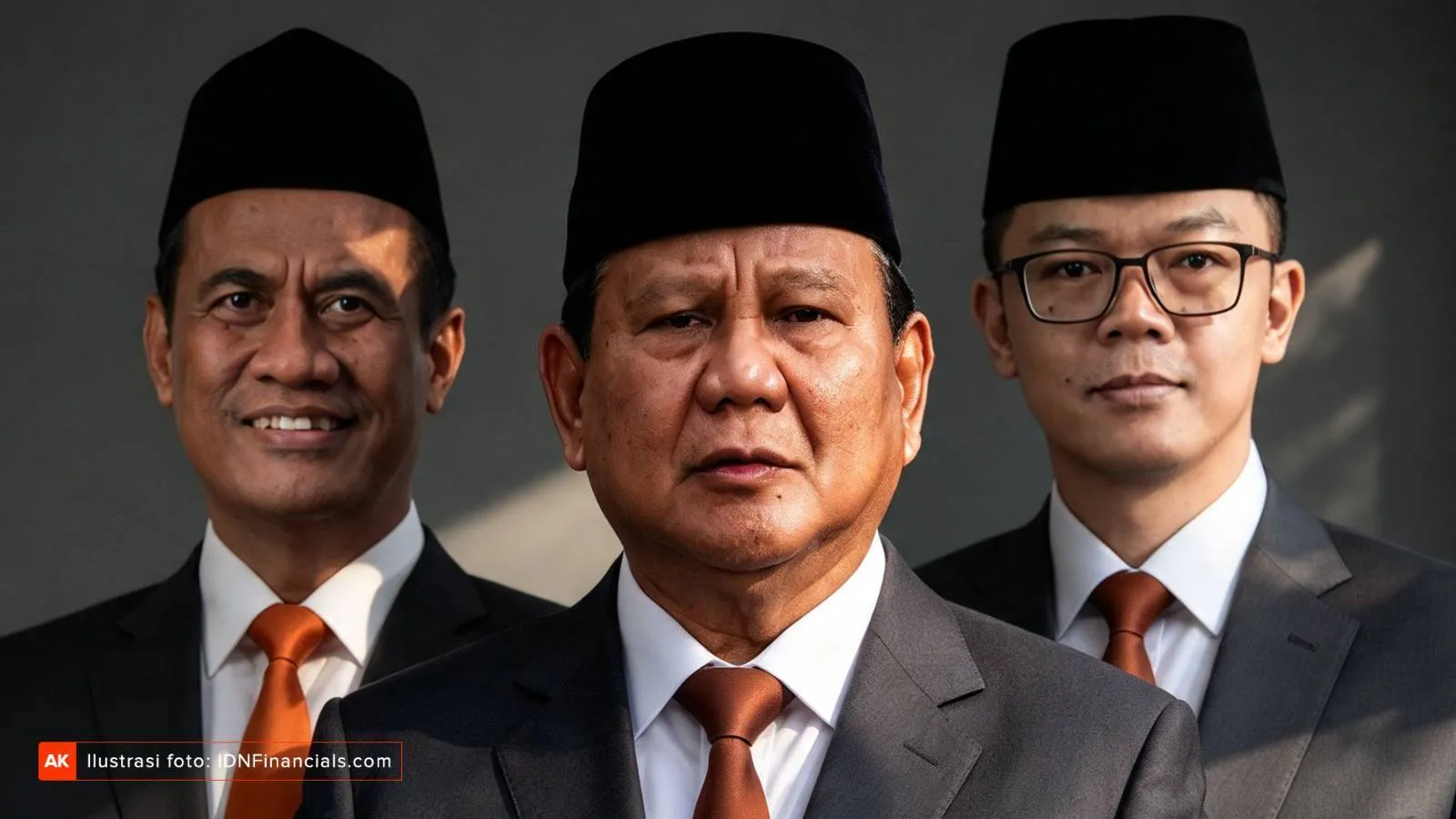
Amran, 58, comes from South Sulawesi and founded Tiran Group in 1998. The conglomerate has businesses in agribusiness, mining and trade. Then-President Joko Widodo appointed him agriculture minister in 2014, and he is among the few cabinet members to remain in office under Prabowo.
In an Oct. 10-15, 2026, survey by Matriks Politik Indonesia, Amran led cabinet members with a top-performance rating of 75.1%. His popularity score was 77.7%.
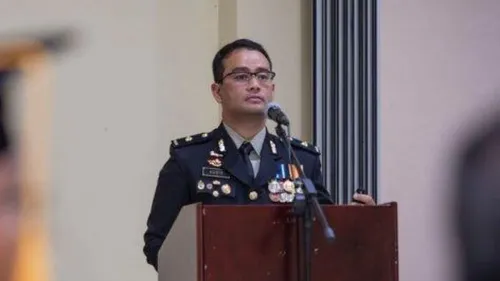
Sugiono, 47, is a former army officer born in Aceh to ethnic Javanese parents. His ties to Prabowo predate his membership in Gerindra, which he joined when the party was founded in 2008. While commanding the army's special forces, Prabowo selected Sugiono for a scholarship to the United States. Sugiono later served as his personal secretary.
Political analysts offered different interpretations of the choice. Firman Noor, a senior researcher at Indonesia's National Research and Innovation Agency (BRIN), said the candidates' contrasting backgrounds presented the MPR with a choice between political solidity and practical solutions to the country's problems.
Ubedilah Badrun, a political analyst at Jakarta State University, viewed both men as Prabowo loyalists. He said the outcome might depend on how much weight the MPR gave to representation from eastern Indonesia.
How the MPR will choose
MPR Chairman Ahmad Muzani said Prabowo personally delivered the nominations with his entourage before 5 p.m. Western Indonesian Time (WIB) on Nov. 23. Muzani said the Dec. 11 plenary election would fall exactly 14 working days after the submission of the president's letter naming the candidates.
According to Muzani, the MPR has 60 days to fill the vice-presidential vacancy, while the president is entitled to propose two candidates. The nominee who wins a simple majority in the plenary vote will be appointed vice president.
The election date has changed twice. The MPR first set it for Dec. 2, then shifted it to Dec. 9 because Prabowo was abroad for the ASEAN and APEC summits from Nov. 15 to 20. Criticism from several constitutional scholars preceded a further postponement to Dec. 11.
An MPR ad hoc committee is also drafting a People's Consultative Assembly Decree (TAP MPR) covering the selection and inauguration procedures. Coordinated by Bambang Wuryanto, also known as Bambang Pacul, the committee began its deliberations with an inaugural meeting on Nov. 19, 2026.