Authority and scope
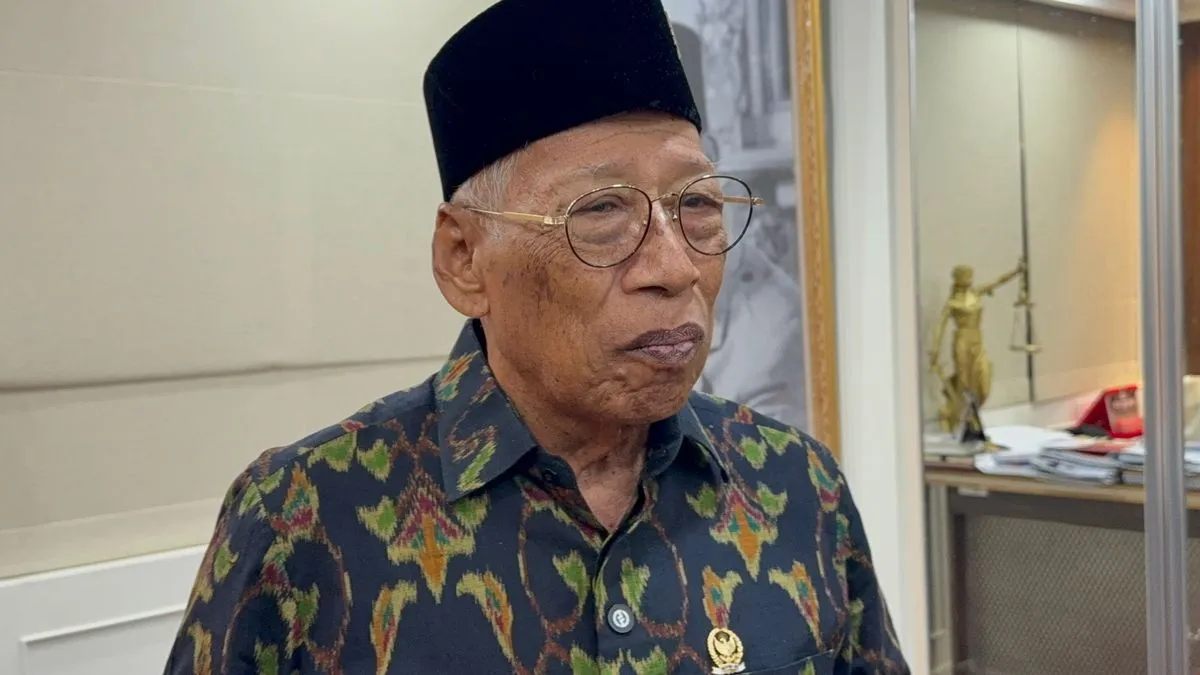
Speaking to Kompas.com on Monday, Sudirta said the proposed law must define authorized agencies, procedures and the circumstances in which conversations may be intercepted or recorded, including their use to strengthen evidence in law enforcement.
He argued that wiretapping, as a coercive measure, requires strong justification and firm limits. Its purpose should be to supplement needed information, he said, not to search for wrongdoing where none has been indicated. Agencies could follow different implementation procedures, but they should be held to common standards.
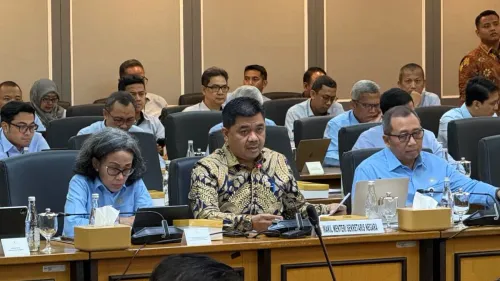
At Monday's hearing, Sudirta, a member of the PDI Perjuangan faction, proposed restricting wiretapping to investigations involving corruption, terrorism, drug trafficking and national security, Kompas.id reported. Outside those four categories, he said, interception and recording should not be used to obtain preliminary evidence.
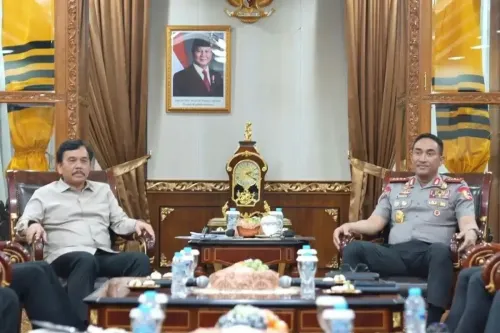
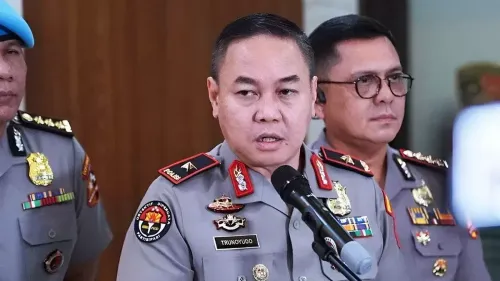
Commission III opened deliberations with a public hearing attended by Inspector General Dedy Kusuma Bakti, head of the National Police's Intelligence and Security Agency, known as Baintelkam Polri. The Wiretapping Bill, or RUU Penyadapan, is a House legislative initiative on the 2026 National Legislative Program priority list.
Privacy protections and earlier opposition
Commission III chairman Habiburokhman said Constitutional Court Decision No. 5 of 2010 mandated the legislation. According to his account, the ruling held that privacy is an inviolable right and that a dedicated law must establish the conditions and procedures for wiretapping. The bill is expected to address targets, written consent, time limits, handling of intercepted material, oversight and penalties for misuse of authority.
Sudirta said public awareness of the need for specific wiretapping rules has grown. When the previous House considered the bill, however, it faced criticism and public pressure over fears that it would weaken the Corruption Eradication Commission, or KPK, which relies heavily on wiretaps to catch offenders in the act.
He suggested that people at the time may not have fully appreciated how sensitive interception is for constitutionally protected privacy rights. He also cited recurring problems with wiretapping, saying heads of state affected had included President Prabowo Subianto, earlier Indonesian presidents and leaders abroad.
Court approval, time limits and independent audits
Several lawmakers at the hearing urged the inclusion of mandatory court authorization. Benny Utama of Golkar said judicial permission should precede every wiretap, adding external scrutiny to internal monitoring. Gerindra's Bimantoro Wiyono argued that court approval would establish accountability and prevent the police, the Attorney General's Office and the KPK from conducting overlapping wiretaps on the same subject in a case.
Bimantoro also warned that, without adequate safeguards, intercepted information about people unconnected to a crime could be misused or sold. He called for a clear distinction between interception for intelligence or national security and interception for criminal investigations or inquiries.
Sudirta told Kompas.com that interception periods must be explicitly set through specific determinations. He also called for regular audits to safeguard confidentiality and legally protected personal data. Those reviews should include internal and external scrutiny by different agencies and be conducted professionally and independently, he said.
An independent auditing body was one option, Sudirta added, citing Australia and Germany as examples of countries that had created specialized institutions or assigned such authority to bodies such as an ombudsman.
At the hearing, Nasdem's Rudianto Lallo proposed a dedicated body to oversee wiretapping powers across the police, prosecutors, the KPK and the military. Golkar's Mangihut Sinaga suggested a centralized body to audit surveillance tools across agencies. Hinca Panjaitan of the Democratic Party faction sought clearly defined boundaries and a statutory wiretapping limit of approximately two weeks to one month.
Police intelligence agency outlines six safeguards
Baintelkam Polri backed the bill, saying it would give officers legal certainty while protecting the public. Dedy presented six safeguards against abuse, beginning with narrowly specified targets and a strict prohibition on interception beyond those targets or for personal, group or factional interests.
His third proposal was to require a written order from leadership specifying the duration; Baintelkam Polri's own maximum is one month. The fourth would require a record identifying both the person who proposed a target and the person who approved it.
The fifth safeguard called for records of all wiretapping activity that could not be altered, together with regular audits. The sixth involved close supervision by the Baintelkam head, the Inspectorate and the Propam function under Article 19 of the Police Law. Criminal and ethical sanctions would apply both to personnel carrying out wiretaps and to those ordering them.
Commission III plans to hear next from the Deputy Attorney General for Intelligence, known as Jamintel, the head of the National Intelligence Agency, or BIN, and other relevant parties, according to Kompas.id.