RI extends halal certification mandate for select sectors to Oct. 2028
The Indonesian government has postponed the enforcement of mandatory halal certification for certain products and services to October 2028, pushing back the original deadline of October 18, 2026. The extension aims to provide businesses and the national halal ecosystem additional time to prepare for full implementation.
Susiwijono Moegiarso, Secretary of the Coordinating Ministry for Economic Affairs, announced that the adjustment will be made through an amendment to Government Regulation No. 42/2024 on the Implementation of Halal Product Assurance. The move reflects the government's assessment of readiness across Indonesia's halal certification infrastructure.
As the world's most populous Muslim-majority nation, with approximately 87% of its 288 million people identifying as Muslim, Indonesia has positioned halal product assurance as a national trade and economic priority. The Halal Product Assurance Agency (BPJPH), which reports directly to the President, oversees the certification process and has been managing the phased rollout of mandatory requirements since taking over certification authority in October 2019.
Extended deadlines across multiple categories
Under the amended Article 160, mandatory halal certification for services related to food, beverages, and slaughtered products will now take effect on October 18, 2028, excluding slaughtering services themselves. This represents a significant shift from the October 2026 timeline that medium and large enterprises were initially expected to meet.
Micro and small enterprises have received an extension until October 17, 2028, to comply with phased implementation requirements for food, beverages, slaughtered products, and slaughtering services. The adjustment recognizes the particular challenges faced by smaller business operators in meeting certification standards.
The government has also set October 18, 2028, as the start date for mandatory halal certification of imported food, beverages, slaughtered products, and slaughtering services. This timeline considers the completion of mutual recognition agreements for halal certification with international partners.
Additional product categories receiving extended deadlines until October 17, 2028, include natural medicines, quasi-drugs, health supplements, cosmetics, chemical products, genetically engineered products, and certain consumer goods that were previously scheduled to meet compliance requirements by 2026.
Regulatory framework and certification validity
The extension comes within a broader regulatory framework established by Law No. 33 of 2014 on Halal Product Assurance, which created BPJPH as the sole government authority to issue halal certificates. The agency began operations on October 17, 2019, taking over from the Indonesian Ulema Council (MUI), which had served as the country's halal certification body since 1989.
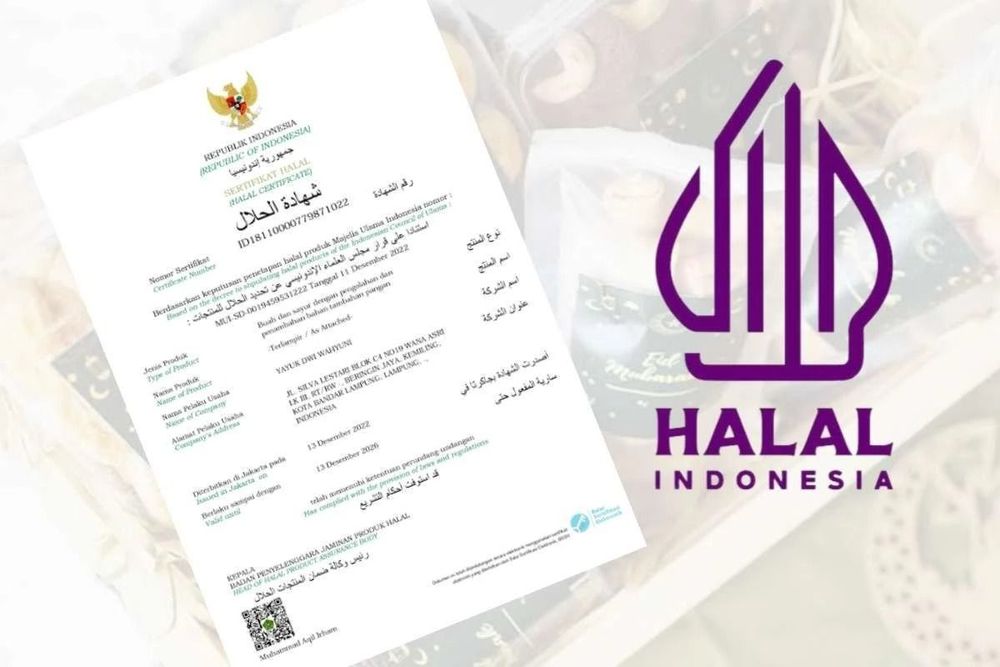
Under Government Regulation No. 42/2024, halal certificates issued by BPJPH now have indefinite validity if a product's material composition and halal production process remain unchanged, replacing the previous four-year validity period. This regulatory change provides greater certainty for businesses that have already obtained certification.
For other product categories, implementation timelines remain unchanged according to Government Regulation No. 42/2024. Over-the-counter and limited over-the-counter medicines will continue to be implemented in phases through October 17, 2029, while prescription medicines, excluding psychotropic drugs, have until October 17, 2034, to comply.
Trade implications and market positioning
The adjustment carries significant implications for Indonesia's position in the global halal market, currently valued at between USD 2.24 trillion and USD 3.71 trillion in 2026, with projections showing substantial growth through 2035. The government views the certification mandate as essential for strengthening Indonesia's competitiveness in this expanding market.
In line with the regulatory revisions, the government will adjust implementing regulations under Government Regulation No. 42/2024 and revoke Regulation No. 4/2026 issued by BPJPH, which governed conformity assessments for imported halal products entering Indonesia.
The government reaffirmed its commitment to ensuring halal product compliance while implementing requirements in alignment with the readiness of the national halal ecosystem. The extension is expected to strengthen consumer protection, provide legal certainty and flexibility for businesses to adjust, maintain smooth trade flows, and enhance the competitiveness of Indonesia's halal industry.