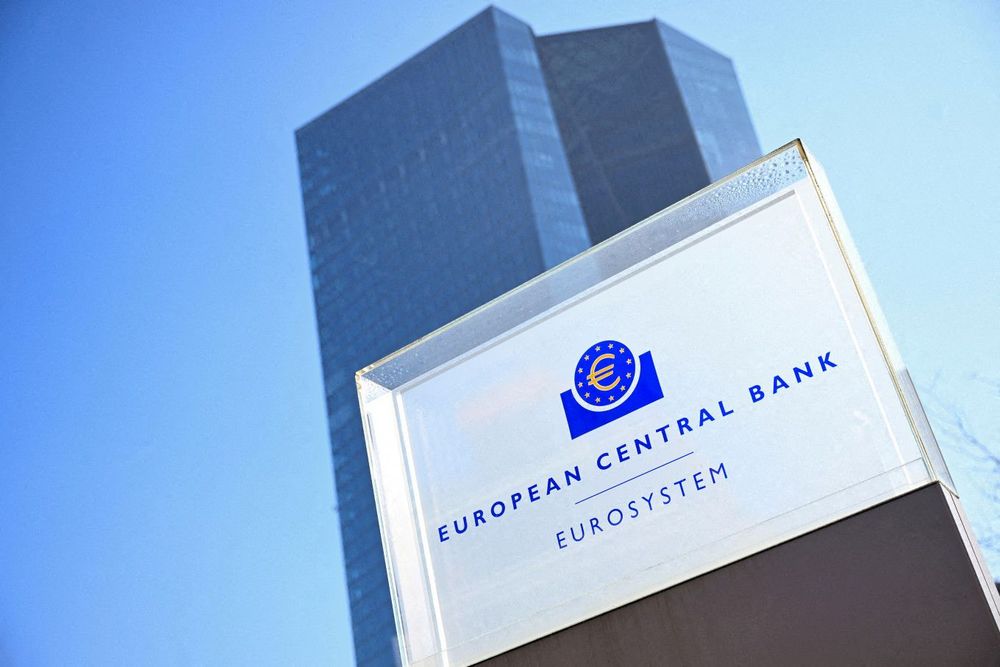
European central bankers express concern over US policy shifts at Jackson Hole
European central bankers departed the Federal Reserve Bank of Kansas City's annual Jackson Hole Economic Symposium with heightened concerns about the stability of long-standing global financial cooperation norms, according to sources familiar with discussions at the three-day conference held August 27-29.
While Federal Reserve officials emphasized their commitment to honoring existing agreements, they acknowledged their limited ability to control potential policy shifts from President Donald Trump's administration, more than half a dozen officials said on condition of anonymity.
Yen intervention raises eyebrows
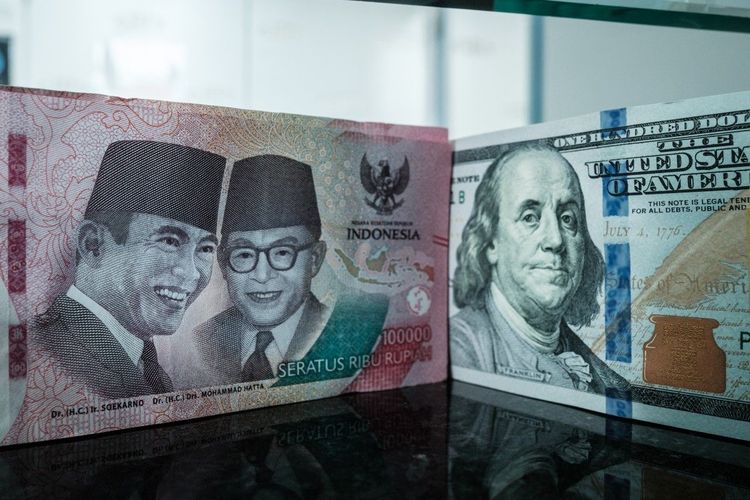
The August 1 coordinated intervention to support the Japanese yen – the first such action between Washington and Tokyo since 2011 – became a focal point of European officials' concerns. The intervention came after the yen had plunged to a 40-year low against the dollar.
European central bankers expressed particular frustration that the US Treasury failed to provide customary advance notice that euro sales would be part of the transaction. The Federal Reserve Bank of New York sold euros for yen through Goldman Sachs and Morgan Stanley, with Treasury Secretary Scott Bessent's notes from a Camp David cabinet meeting showing plans to purchase between $5 billion and $10 billion in yen.
"That was infuriating. You always pick up the phone and give heads-up. The message to me is that the US does whatever it wants."
Other officials were more measured, suggesting the unusual nature of the transaction may have led to an honest oversight rather than deliberate exclusion.
A US official defended the intervention as necessary to counter disorderly yen movements and support global financial stability, stating it "was not directed at anyone else." The official added that Treasury maintains close communication with international counterparts but does not comment on operational details.
Debt buyback plan adds to concerns
Treasury Secretary Bessent's announcement on August 19 that the department would double its buybacks of longer-dated government debt also troubled European central bankers. The Treasury increased planned purchases from $2 billion to at least $4 billion for securities in the 10-year to 30-year maturity range, with Bessent subsequently indicating the buybacks could exceed the $4 billion figure.
European officials worry these transactions, which may require financing through increased short-term debt issuance, signal the administration's willingness to take unconventional measures to cap borrowing costs.
"These interventions normally offer just temporary relief. But they are clearly worried. So what is next? Will they put pressure on the Fed to start buying bonds on the market?"
The US official responded that the expanded buyback program aims to provide greater liquidity in longer-dated sectors and stressed they are "not monetary policy or an effort to impose a cap on interest rates." However, a Treasury official had told reporters the previous day that the department was "really focused on bringing those long-end yields lower."
Swap line stability questioned
Some European central bankers expressed concern that political interference could eventually extend to the dollar liquidity swap lines the Fed maintains with major global central banks. These standing arrangements, in place since October 2013, allow the Bank of Canada, Bank of England, Bank of Japan, European Central Bank, and Swiss National Bank to provide US dollar funding to financial institutions in their jurisdictions during market stress.
The swap lines serve as a critical backstop for global financial stability, ensuring overseas banks retain dollar access and are not forced to dump US bonds during periods of turmoil. The Fed bears no foreign exchange risk in these transactions, as both legs occur at the same exchange rate.
"But rationality doesn't always prevail with this administration. When they run retaliatory trade policies with their closest allies, Trump could just say, 'Hey, they're ripping us off' and the swap lines could be gone overnight."
Sources emphasized there has been no indication the swap lines are threatened, and they expect the arrangements to continue unchanged. The facilities are authorized by the Federal Open Market Committee and operated exclusively by the Fed, not the administration.
The Treasury official stated that "decisions concerning Federal Reserve facilities and swap-line arrangements rest with the Federal Reserve," adding that nothing announced regarding yen operations or debt buybacks suggests otherwise.
Warsh makes positive impression
Fed Chairman Kevin Warsh, who took office on May 22 following Senate confirmation in the narrowest vote in Fed history (54-45), has made efforts to maintain strong relations with European counterparts. Just over a month into his tenure, Warsh traveled to Europe for discussions with officials there, leaving a largely positive impression.
At Jackson Hole, Warsh posed for the traditional photo with Bank of Canada Governor Tiff Macklem, a gesture viewed as notable given the Trump administration's escalating trade tensions with Canada. Warsh previously served as a Federal Reserve governor from 2006 to 2011, working closely with Chairman Ben Bernanke during the 2008 financial crisis before resigning over concerns about the central bank's bond-buying policies.
Treasury Secretary Bessent indicated he looks forward to discussing financial stability issues with G20 finance ministers and central bank governors in the coming days in Asheville, North Carolina, where he plans to advance the administration's agenda on isolating Iran, fostering growth, and reducing global imbalances.
The Jackson Hole symposium, which draws representatives from approximately 70 countries, focused this year on "Financial Innovation: Implications for Payments and Policy."