Asian markets gain ground as Fed officials signal cautious approach to rates
Asian equity markets climbed Friday and government bond yields stabilized after senior Federal Reserve officials indicated they would take a measured approach to monetary policy, tempering investor anxiety about an imminent interest rate increase at the central bank's mid-September meeting.
Market participants remain cautious as geopolitical tensions between the United States and Iran continue to simmer following recent military exchanges, pushing crude oil prices higher and raising questions about inflation pressures that could influence the Fed's next move.
Volatility driven by Middle East tensions and inflation concerns
The past week has brought considerable volatility to financial markets as Middle East hostilities drove oil prices up roughly 10 percent, stoking concerns about renewed inflation that could compel central banks to tighten monetary policy further. Government debt costs surged to levels not seen in decades, a development analysts attribute partly to increased corporate borrowing for artificial intelligence infrastructure and worries about fiscal sustainability.
Tensions eased somewhat after US President Donald Trump suggested the latest military action against Iran would be limited in duration. However, the most significant relief came from comments by Federal Reserve Bank of New York President John Williams and Governor Christopher Waller, who emphasized a data-dependent approach to policy decisions.
Fed officials emphasize data-dependent approach
Speaking Thursday, Waller made clear his stance for the September 16 policy meeting would hinge on incoming economic indicators, particularly inflation readings. A softer inflation number would incline him toward maintaining current rates, which have been held in a range of 4.25 percent to 4.50 percent following cuts in 2025 from pandemic-era peaks.
My decision on the appropriate stance of policy will be heavily influenced by what we learn about August inflation. If there is continued progress toward our two percent goal, then I am willing to support holding the policy rate at its current level. But if inflation comes in hot, I would consider a rate hike.
His remarks followed Williams' earlier observation to CNBC that policymakers needed to "wait and see" whether current monetary policy was sufficient to achieve the Fed's mandated price stability target of 2 percent inflation while maintaining maximum employment.
"There's no clear signs right now whether monetary policy currently is sufficient to make sure we bring inflation back to target in the next year or two, or whether we would need to see further action to do that," Williams said, adding that recent inflation trends have been "encouraging" as tariff effects fade from economic data.
Critical economic data releases ahead
These measured statements arrive as investors prepare for critical economic releases: the nonfarm payrolls report due Friday and next week's consumer price index data, both released monthly by the Bureau of Labor Statistics. These indicators are widely viewed as pivotal to the Fed's upcoming decision, given the central bank's dual mandate to balance employment and price stability objectives.
The dovish tone from Fed officials represents a notable shift from remarks by Chair Kevin Warsh last Friday, which had surprised markets by appearing to open the door to a rate increase. Warsh, typically reluctant to provide forward guidance, had rattled investors with his unexpectedly hawkish position.
Markets respond positively across regions
US equity markets responded positively to the more accommodative messaging, with all three major indexes posting solid gains. The Dow Jones Industrial Average and Nasdaq Composite each advanced more than one percent.
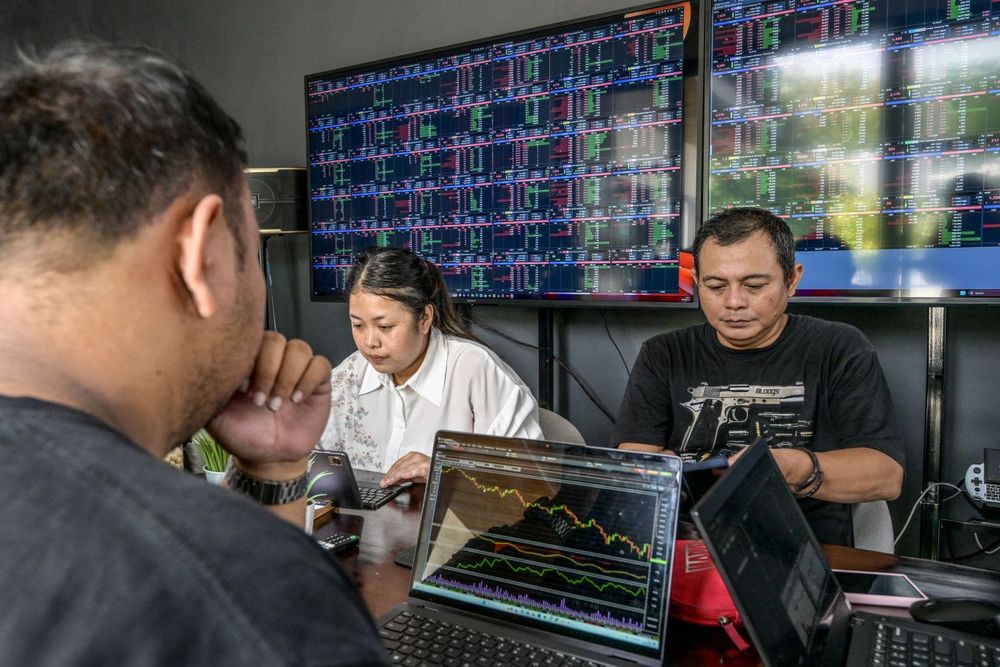
Across Asian trading floors, the relief was palpable. Hong Kong's Hang Seng Index surged over two percent, while Seoul's benchmark gained more than one percent. Tokyo, Shanghai, Singapore, Wellington, Jakarta and Taipei all registered substantial advances.
Japanese yen strengthens amid policy shift expectations
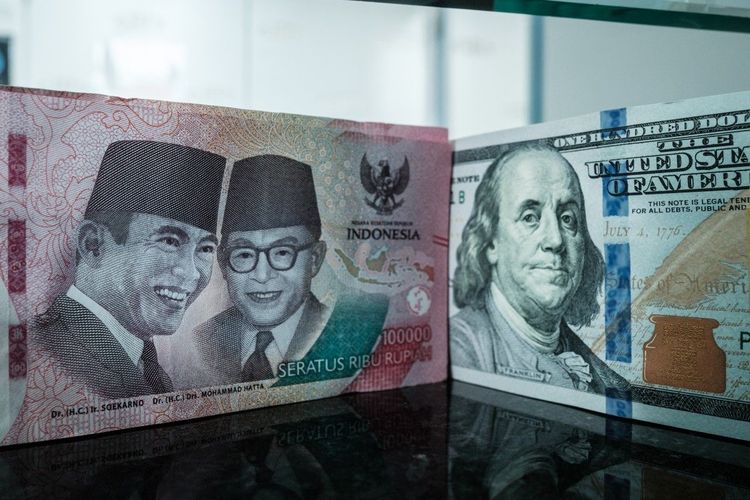
In currency markets, the Japanese yen maintained its recent strength against the dollar amid growing expectations that the Bank of Japan will raise interest rates at its September meeting. The currency was trading around 155.90 per dollar Friday, having recovered from levels near 160.40 earlier in the week. This represents a significant policy shift for the BoJ, which maintained negative interest rates for nearly a decade from 2016 to early 2024 as part of its ultra-loose monetary policy framework.
The yen's appreciation has sparked speculation about possible intervention, particularly following the historic joint US-Japan currency market action in July. That coordinated move marked only the second such intervention since 2011, when both nations acted following the Tohoku earthquake, underscoring the exceptional nature of recent currency volatility.
It appears the BoJ will pull the trigger and hike in September but then open the door to a potential pick up in the pace of hiking. We are finally seeing a follow through to intervention by some meaningful expectation on the policy front.
The stronger yen brings mixed economic implications for Japan, typically benefiting consumers through cheaper imports while potentially challenging export-oriented manufacturers by making Japanese products more expensive for foreign buyers.
Energy markets and corporate debt concerns
Oil markets showed modest gains Friday as geopolitical risk premiums persisted, though prices have fallen approximately 60 percent from 2022 peaks above $120 per barrel before the recent Middle East-driven surge. Rising government bond yields reflect investor concerns about inflation trajectories, debt sustainability and interest rate expectations, factors that increase borrowing costs throughout the economy and affect everything from mortgages to corporate financing.
The surge in corporate debt issuance has been driven partly by major technology companies' massive investments in artificial intelligence infrastructure, with firms like Microsoft, Google, Amazon and Meta collectively planning hundreds of billions in AI-related capital expenditures since 2023.