Indonesia's tourism ministry backs 25 firms in WISH 2026 program
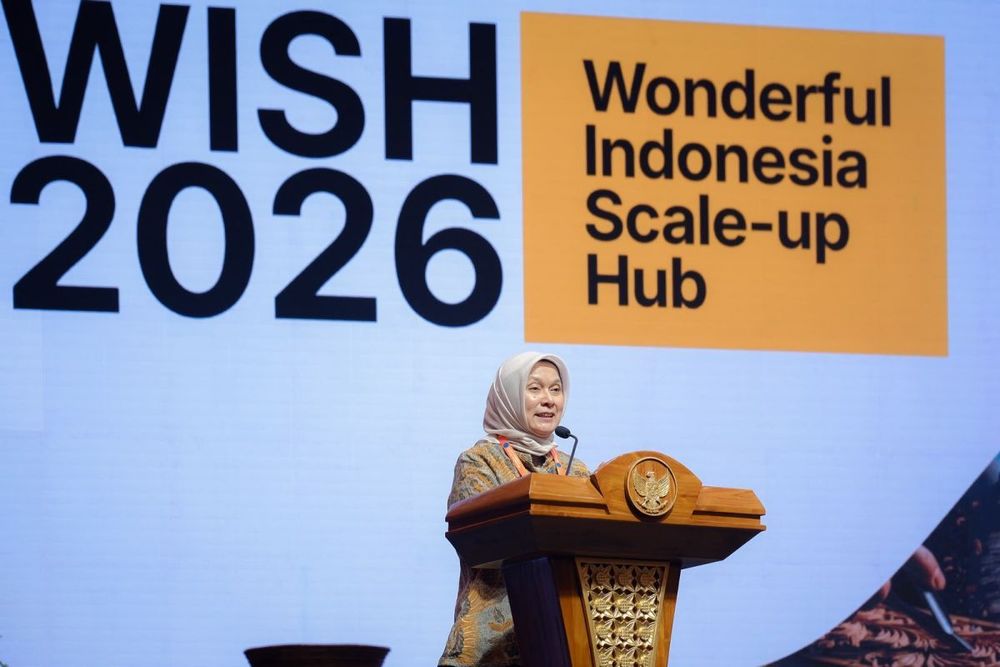
Indonesia's Ministry of Tourism has selected 25 tourism operators to participate in its Wonderful Indonesia Scale-up Hub (WISH) 2026 program, designed to enhance business competitiveness, expand market access and facilitate strategic partnerships in key tourism sectors.
The initiative comes as Indonesia recorded 8.98 million foreign tourist arrivals from January to July 2026, marking a 5.23% year-on-year increase, with the country targeting between 16 and 17 million arrivals for the full year. Tourism revenue reached US$4.05 billion in the first quarter of 2026, up 6.30% from the same period in 2025.
Rizki Handayani Mustafa, acting deputy for industry and investment at the Ministry of Tourism, said the program provides training, mentoring, coaching and business matching to connect business potential with concrete expansion opportunities. The ministry allocated IDR 1.9 trillion for tourism development in 2026, up from IDR 1.5 trillion in 2025.
WISH 2026 concentrates on three strategic sectors: gastronomy, wellness and heritage tourism. These areas were chosen for their ability to deliver authentic experiences while increasing the economic value of Indonesia's culinary traditions, cultural heritage and natural assets.
Strong gastronomy tourism foundations
The gastronomy focus reflects robust market demand, with Statistics Indonesia data showing that 58% of international visitors participated in culinary or gastronomy activities in 2025, ranking second after urban tourism at 60% and ahead of marine tourism at 53%. Indonesia's recognition as 'Destination Champion' by France-based La Liste for 2025 further validates this strategic emphasis.
The ministry has complemented WISH 2026 with the Wonderful Indonesia Gourmet program, launched in partnership with the Indonesia Gastronomy Network in 2025 and expanded to WIG 2026 across 14 cities including Solo, Yogyakarta, Jakarta, Bali, Semarang and Surabaya.
Wellness and heritage market potential
Indonesia's wellness tourism market was valued at USD 7 billion in 2025 and is projected to reach USD 20.6 billion by 2035, growing at an 11.3% compound annual growth rate. For heritage tourism, the country maintains 9 UNESCO World Heritage Sites, including 4 natural sites and 5 cultural sites such as Borobudur Temple, Prambanan Temple and Komodo National Park.
The program drew 564 initial applicants before narrowing to 25 participants for Demo Day in Jakarta on Friday. These businesses represent 19 provinces and offer travel experiences centered on nature, culture, history, gastronomy, wellness and thematic tours reflecting local identities.
Hanifah Makarim, assistant deputy for business development and access to capital, explained that the selection process began in mid-2026 and included administrative screening followed by two stages of capacity building, curation and mentorship.
Pitching to investors and partners
At Demo Day, participants presented their growth plans, innovations, product strengths and market readiness to potential investors, business partners and tourism industry stakeholders. The event provided direct access to industry players for showcasing products, gauging market demand, exploring distribution channels and establishing partnerships.
Rizki noted that shifting traveler preferences toward personalized, meaningful experiences create opportunities for local businesses to offer products with strong character and identity. She emphasized that WISH 2026 aims to generate actionable results beyond capacity building, including investment, access to capital, market expansion and long-term partnerships.
The program aligns with the ministry's broader strategic interventions for 2027, which include improving human resource quality, strengthening tourism marketing, developing high-quality attractions and events, promoting sustainable tourism, and building more inclusive tourism industries and supply chains. Indonesia is targeting 17.6 to 19.1 million foreign tourist arrivals in 2027, representing an 8.5-10% increase from 2026 levels, with tourism sector contribution to GDP targeted at 4.7-4.8%.