
Indonesia seeks land certainty to accelerate 3 million homes program
Indonesia's National Agrarian Reform Agency (BRAN) has committed to resolving land availability issues that threaten to derail the government's flagship housing initiative, as the country grapples with a housing backlog affecting approximately 9.29 million households as of March 2026.
BRAN Head Dedi Prasetyo announced the agency would identify and record available land parcels to support the Housing and Settlement Areas Ministry's ambitious program to build 3 million homes annually. The initiative targets 2 million landed houses in rural and coastal areas and 1 million vertical housing units in urban centers, primarily serving low-income and informal sector workers.
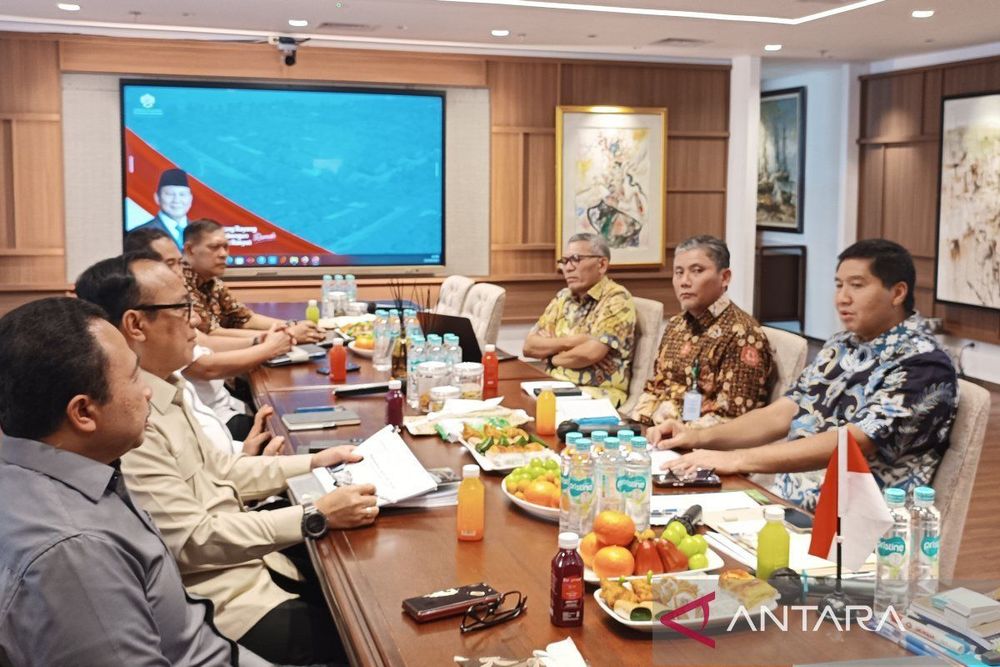
During a meeting with Housing and Settlement Areas Minister Maruarar Sirait in Jakarta on Tuesday, Prasetyo emphasized the agency's commitment to addressing land certainty issues.
As the new head of the Agrarian Reform Agency, we will of course pay attention to the information conveyed by the minister and his team regarding land issues.
The coordination represents an initial step toward mapping agrarian challenges within the ministry's scope. Once BRAN receives information about land problems affecting housing development, the agency will work to resolve them, Prasetyo added.
One-data system for land availability
BRAN plans to develop a comprehensive agrarian reform system to establish which locations are suitable for various housing projects.
The first is a one-data agrarian reform system. This is important because it provides certainty, including for the Housing Ministry, about which locations can be developed for subsidized and non-subsidized housing, helping align land availability with the 3 million homes target,
The land certainty initiative comes as the housing program faces implementation challenges. The Housing Financing Liquidity Facility (FLPP) had reached only 43.1 percent of its 350,000-unit target for 2026 as of September, while the Independent Housing Stimulus Assistance (BSPS) renovation program achieved just 32.5 percent of its 400,000-unit goal.
Minister Sirait, who assumed office on October 21, 2024, as part of President Prabowo Subianto's cabinet, stressed the urgency of resolving land issues.
Basically, it is just about certainty,
Addressing historical conflicts
The emphasis on land certainty reflects broader challenges in Indonesia's agrarian landscape. Between 2015 and 2024, the country experienced 3,234 agrarian conflicts spanning 7.4 million hectares of land and affecting 1.8 million families, with plantation projects accounting for the majority of disputes.
Sirait emphasized that agrarian issues must be resolved promptly with legal certainty to prevent prolonged conflicts. He said regional authorities must map designated land uses, including areas intended for rice fields, housing, and energy development.
Such planning would help prevent future problems that could disrupt investment or government programs, including efforts to achieve food self-sufficiency, the minister added.
Expanded resources and partnerships
The government has significantly increased financial support for the housing initiative. The Housing and Settlement Areas Ministry allocated Rp 58 trillion from the 2026 state budget to support the program, a substantial increase from Rp 5 trillion in 2025 and Rp 14 trillion in 2024.
Private sector involvement has also strengthened the program's prospects. Four major business tycoons—Prajogo Pangestu of Barito Group, Garibaldi Boy Thohir of Adaro Group, Franky Widjaja of Sinarmas Group, and Sugianto Kusuma of Agung Sedayu Group—have pledged support for the initiative.
Indonesia is also exploring international cooperation, seeking partnerships with China to help expedite the program. A working group including representatives from BP Tapera has been formed to conduct surveys for potential development sites.
The housing backlog represents 12.39 percent of all Indonesian households, down from 13 percent in March 2025, indicating gradual progress but underscoring the scale of the challenge ahead. The success of the 3 million homes program will depend heavily on BRAN's ability to provide swift land certainty and resolve agrarian conflicts that have historically hampered development projects.