The response and the criticism
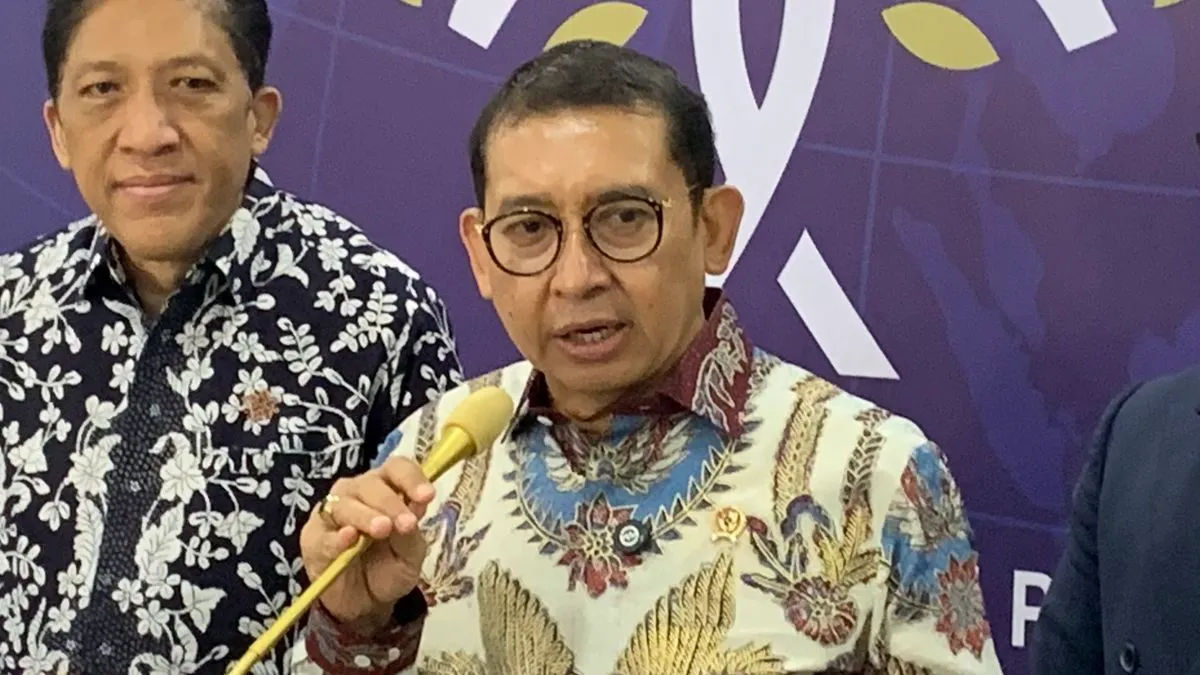
"I do not deny that (the rapes) happened, and I strongly condemn them," Fadli said, according to ANTARA. He maintained that he had found no historical basis for the term "mass rapes," which he said implies structured, systematic action.
Fadli said legal or documentary evidence would address his objection: "If there are legal or documentation facts related, I think there is no problem."
Tamihardja had addressed the minister a day earlier, on November 20, while accepting the Best Feature Film award at the 2026 Indonesian Film Festival (FFI). Speaking at JI-Expo in Kemayoran, Jakarta, she said: "Mr. Minister of Culture of the Republic of Indonesia, Fadli Zon. I just want to say that denial of the mass rapes of 1998 is a very disgusting and unempathetic act."
She also expressed gratitude for filmmaking as a way to voice public concerns and foster empathy among both filmmakers and audiences.
Her criticism concerned an IDN Times interview hosted by Uni Lubis and published on June 10, 2025, according to Kompas.com Entertainment. In that interview, Fadli questioned the term "mass rape" in accounts of violence against women, particularly women of Chinese descent, during the May 13-15, 1998, riots. He characterized the claim as a rumor that required strong evidence.
The documented cases
The Joint Fact-Finding Team (TGPF) recorded sexual violence against women during the May 1998 riots in Jakarta and nearby areas, Medan, and Surabaya.
According to the National Commission on Violence Against Women (Komnas Perempuan), the team's report verified 85 cases of sexual violence. Those comprised 52 cases of rape, 14 of rape with assault, 10 of sexual assault or harassment, and nine of sexual harassment.
Komnas Perempuan said detailed information identifying victims cannot be released publicly because doing so would expose them and their families to the risk of further violence.
National history project
Fadli said his position on the terminology was a personal opinion, not an instruction to those writing a national history series under his ministry. He said he neither writes nor directs the work, which he described as the responsibility of professional historians.
The 11-volume series is titled "Sejarah Indonesia: Dinamika Kebangsaan dalam Arus Global." ANTARA News reported that 123 contributors worked on it, including historians, archaeologists, philologists, epigraphists, and researchers drawn from 34 universities and 11 non-university institutions.
The first five volumes were launched on August 31, 2026. The other six had been scheduled for September, but only five volumes had officially launched as of November 21. The series is accessible online.
The film behind the awards speech
"Para Perasuk" opened in Indonesian theaters on April 23, 2026, according to Good News From Indonesia. It was among just 10 international films chosen for the 2026 Sundance Film Festival's World Cinema Dramatic competition, from more than 16,000 submissions representing 164 countries.
Set in the fictional village of Desa Latas, the film depicts a communal trance festival known as Pesta Sambetan. Its central conflict concerns Wanaria, a company seeking to acquire the village's sacred spring.
Director Wregas Bhanuteja said that conflict came from his family's experience in Bantul, Yogyakarta, where they resisted a corporation's effort to acquire a water source.